The claim, stated plainly
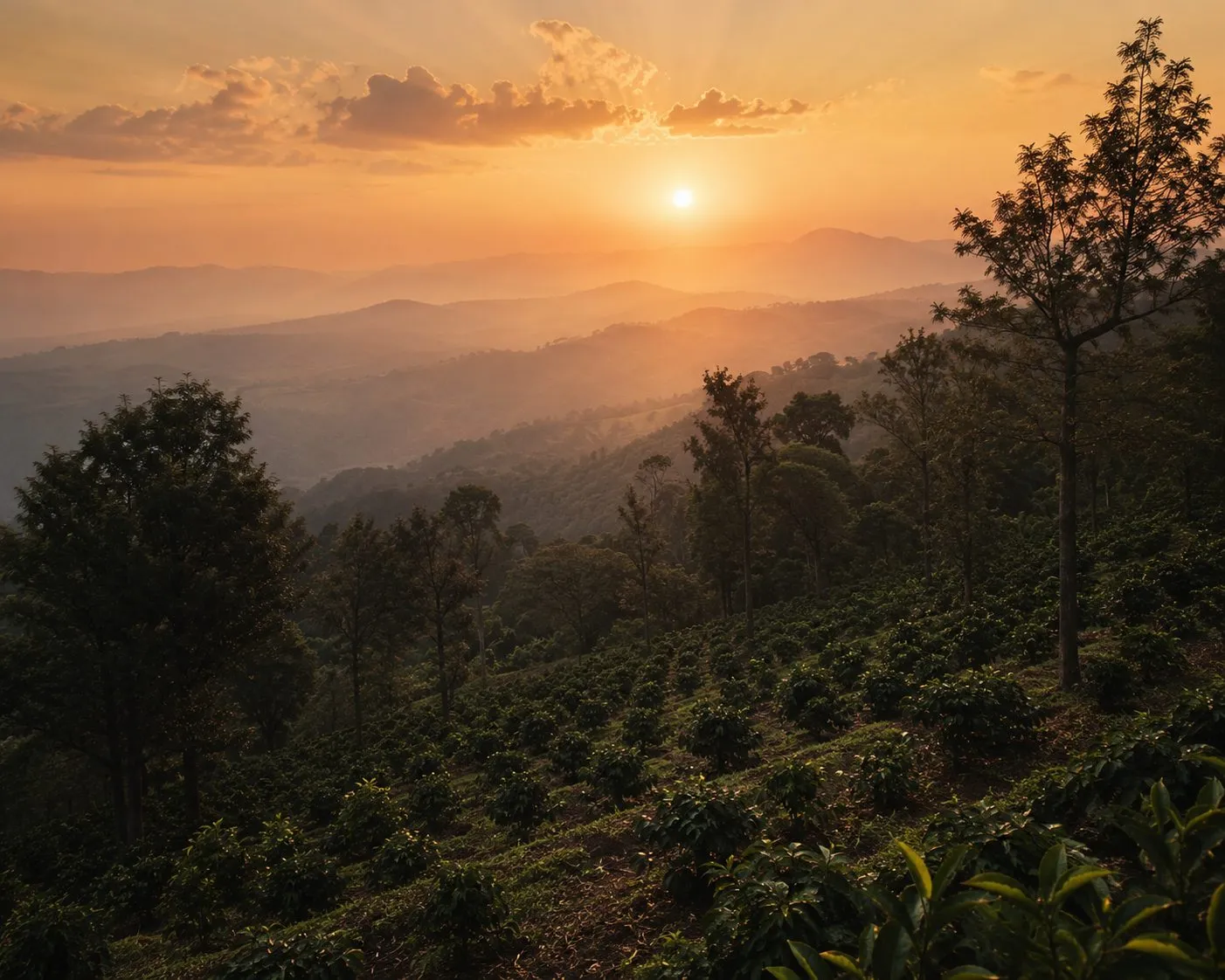
Cliff’s Estate is Rainforest Alliance certified and FSSAI licensed, farms under a retained native canopy, holds monsoon water on the contour, composts its own processing waste back into the rows, and employs a resident crew with housing, schooling access and named tenure. The pepper and the canopy honey are grown organically; the coffee and the cardamom are not. The estate holds no organic certificate and does not claim one.
Measured, not asserted
Six numbers we are willing to be held to.
Each one is either counted on the ground or read off a document a stranger can ask for. None of them is an estimate.
Certification
An outsider walks the estate once a year, and can take it away.
That is the entire value of certification. Somebody with no stake in the harvest arrives, opens the records, walks the blocks and counts what is actually standing there. Fail any line of it and the certificate goes — which is why we cite it, and why we print the ID.
Certificate numbers and the current FSSAI licence are reproduced in full on request.
Rainforest Alliance
On the Coffee Estate. Audited annually against shade, soil, water and worker standards.
Cert. ID on request

FSSAI licensed
Food safety licensing on estate product processing and packing, renewed on a named calendar.
Licence no. on request
What the auditor checks
- Shade density and native tree count
- Soil handling and erosion control
- Water sources and effluent from the wash
- Agrochemical records, down to the litre
- Worker pay, housing and safety
Water
We bank the monsoon, and irrigate one crop.
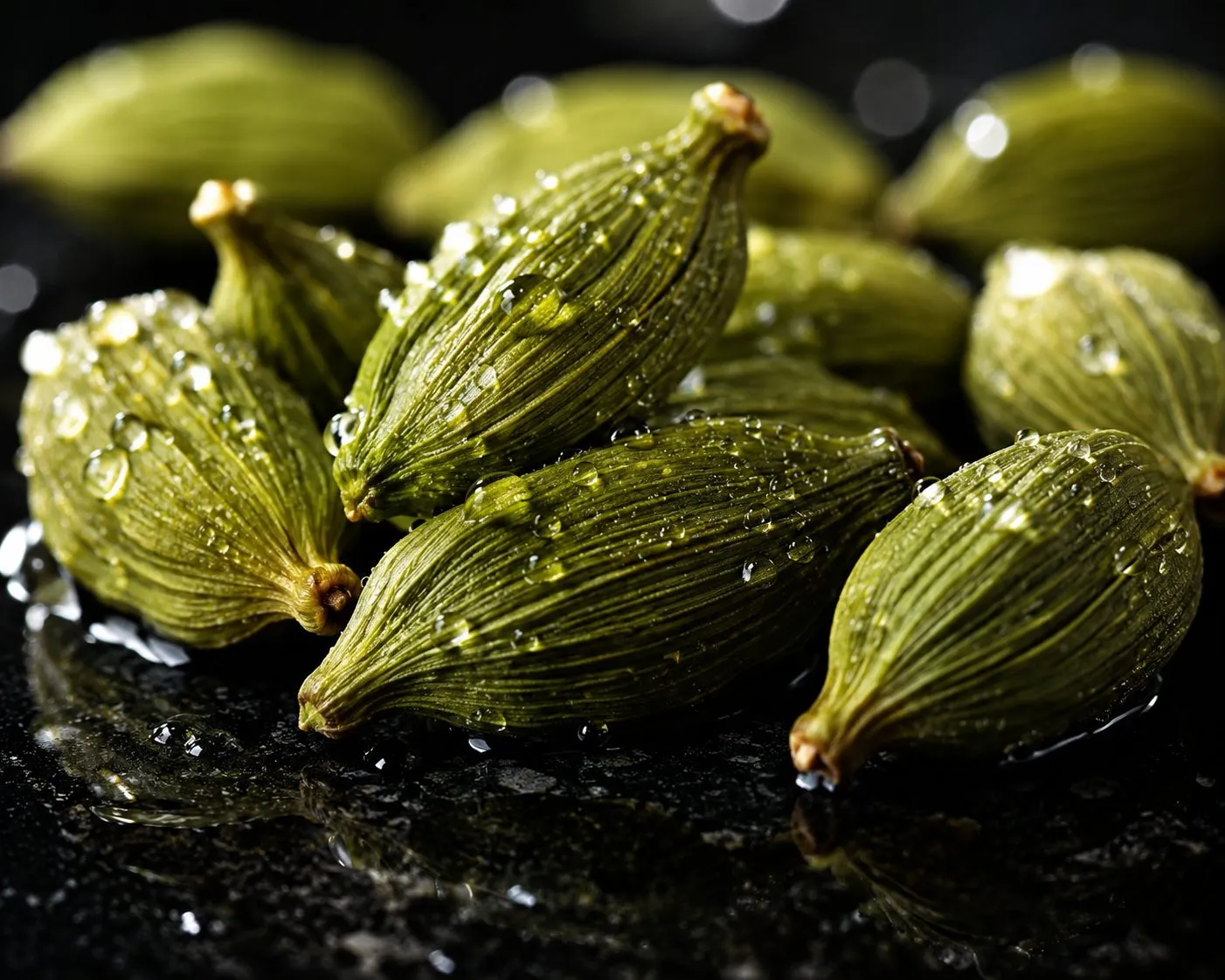
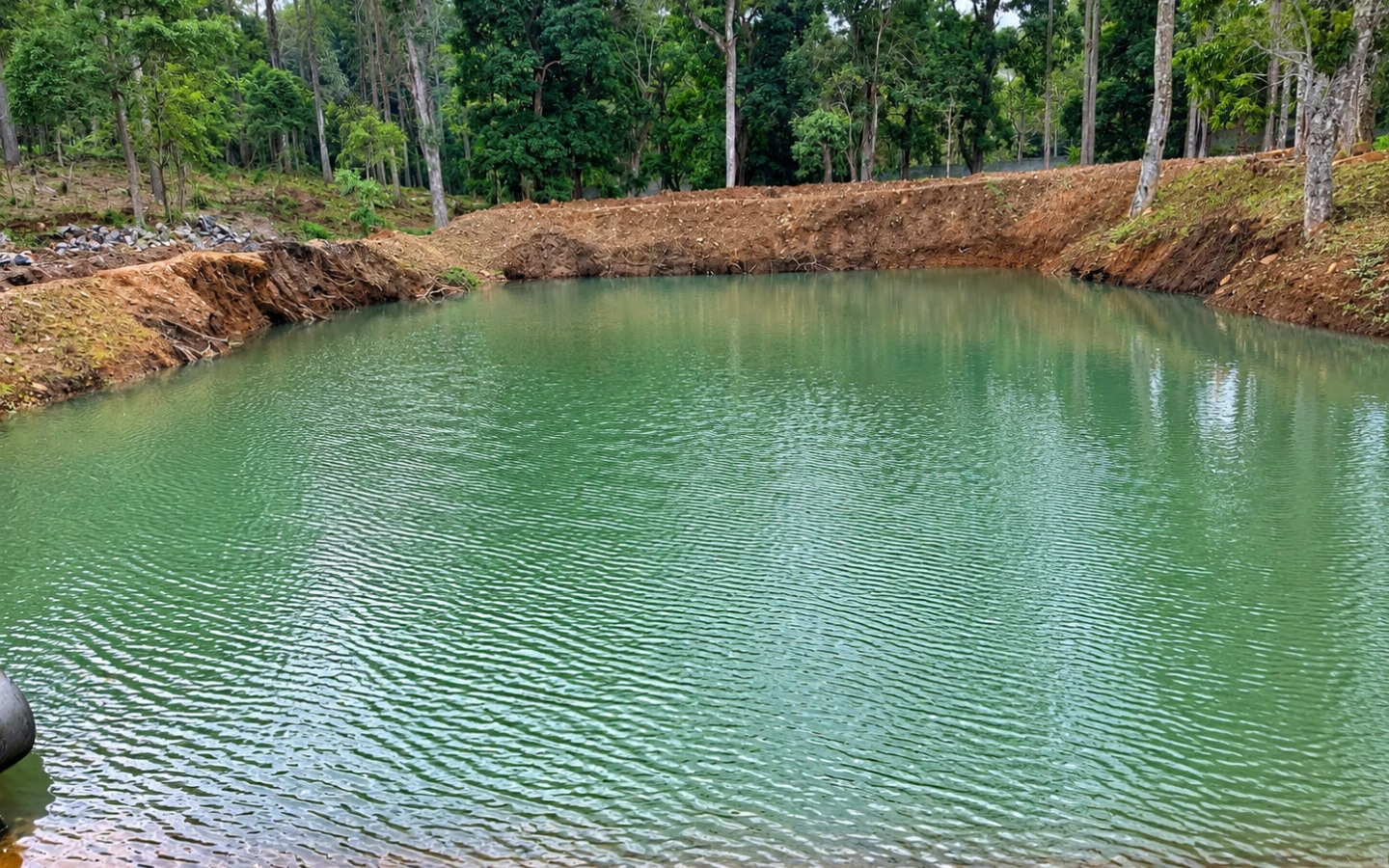
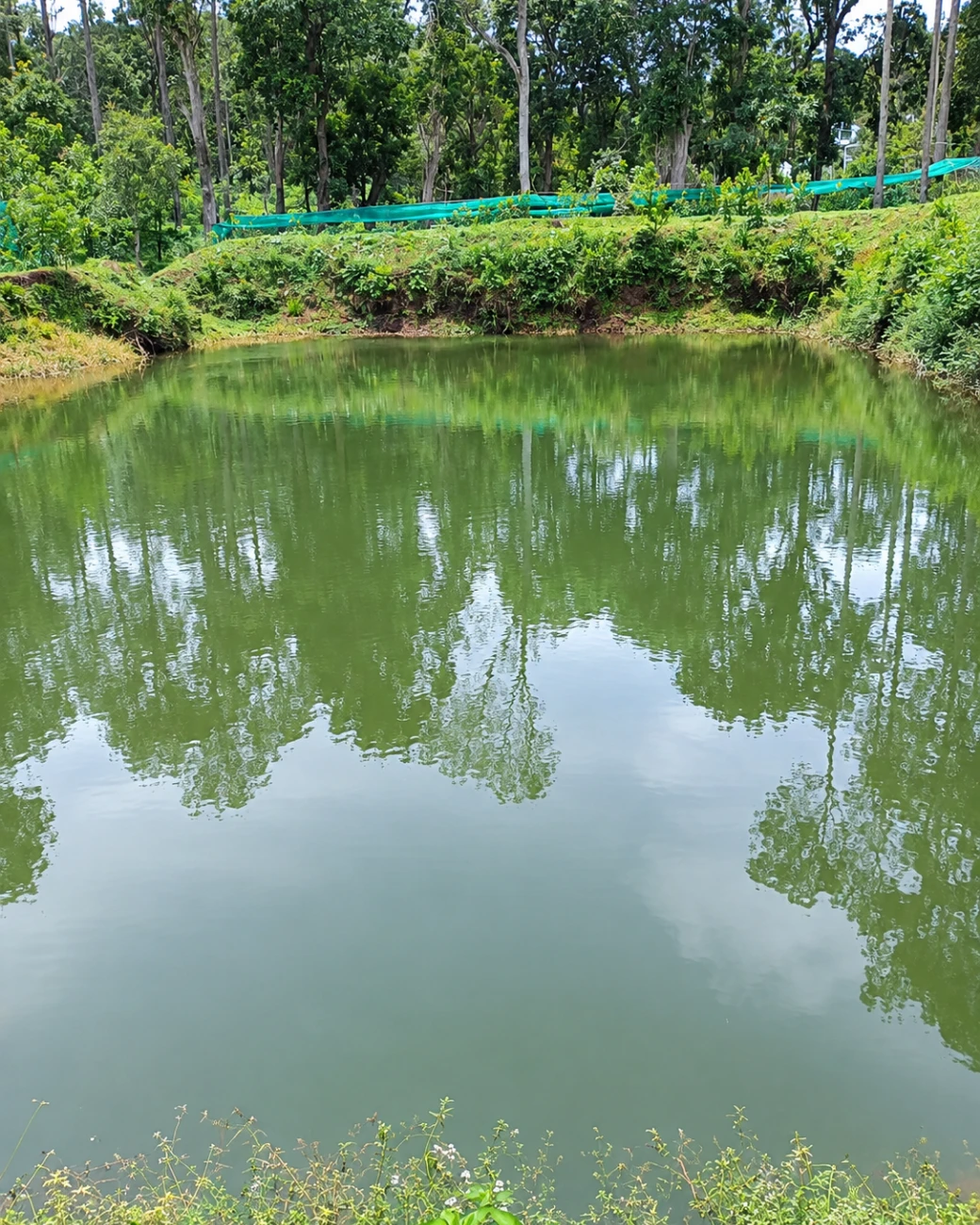
Rain that runs off a slope takes topsoil with it and arrives somewhere it was not wanted. Contour trenches cut across the fall of the land slow it to a walk; recharge pits push it down into the water table. The estate spends the dry months on water it banked in July. Cardamom is the one crop that will not manage on rainfall alone — it wants a hundred inches, and gets the shortfall through Turkish and French sprinkler lines that put water at the plant and nowhere else.
Four practices · hover to locate
Zero waste · the closed loop
Everything the harvest throws off goes back into it.
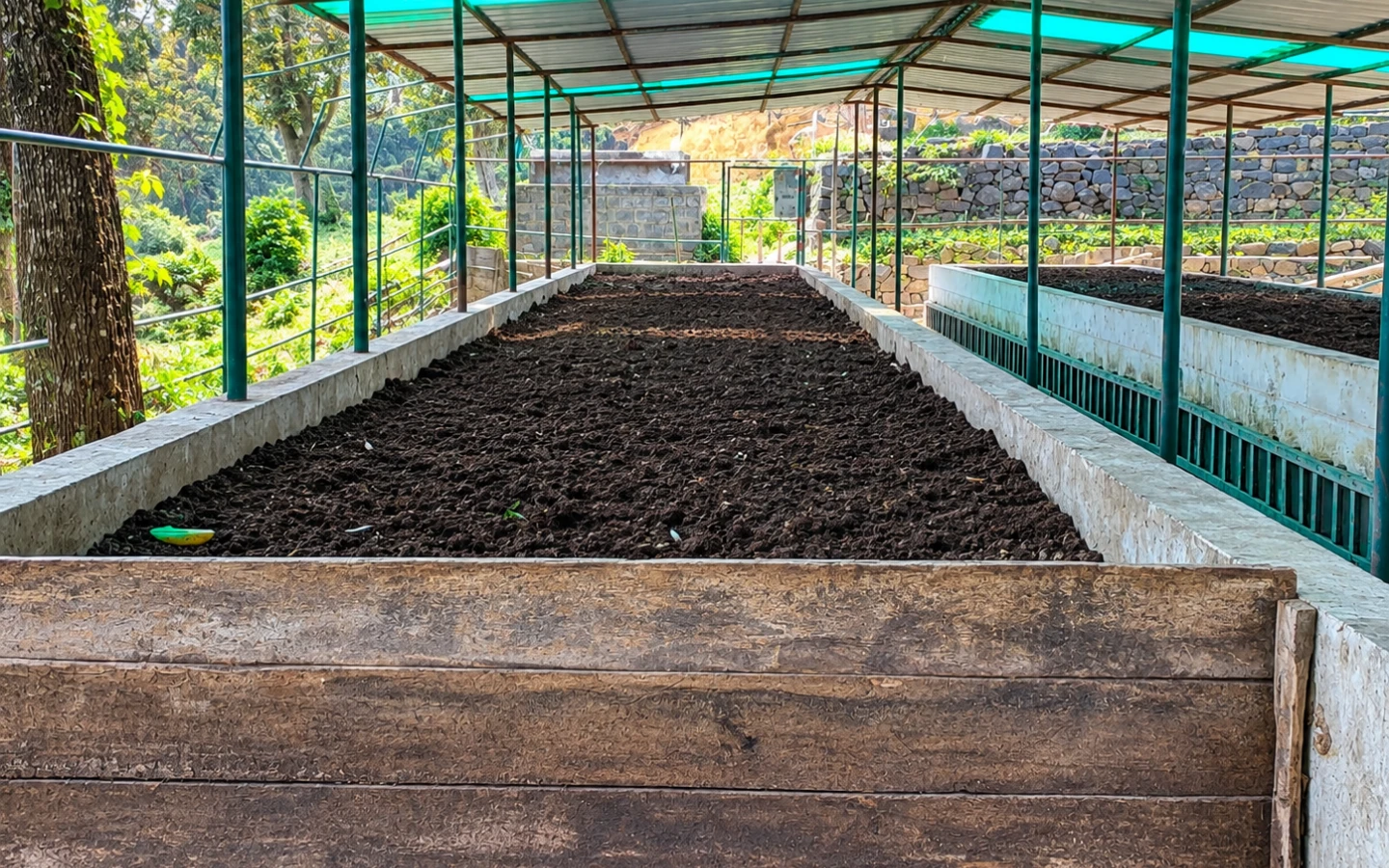
Pulping a tonne of cherry leaves most of it behind as skin. On most estates that is a disposal problem; here it is next year’s fertility. Pulp and husk go to the compost yard, prunings go with them, and vermicompost is turned through the rest months and spread back on the rows before the rain. Organic manure is what lets the crop stand through the hottest summer. Cardamom benefits in size from it.
One tonne of cherry, pulped
Bar width is quantity. Only the dark strip travels down the ghat.
Where the rest of it goes
-
Pulped the same evening
The cherry is stripped within hours of picking, so nothing sits on the yard long enough to rot.
-
Onto the compost heap
Skin and pulp go in with prunings. Six to nine months, no additives.
-
Turned in the rest months
March to August, when nobody is picking, the heaps are turned and worms finish the work.
-
Spread before the rain
It goes back on the rows ahead of the monsoon, so the first heavy fall washes it in rather than away.
Workers & community
Land and people before margin.
Most of the crew have worked these rows longer than some of the bushes have been cropping — the vine keeper is on his thirty-first harvest. That kind of tenure is not luck. It comes from housing on the estate, access to schooling for children, safety equipment that is actually issued, and paying for a working morning at the same rate whether a camera is present or not.
Everyone photographed for this brand is named, with written consent, and paid for their time on camera. No models have ever been brought onto this estate.
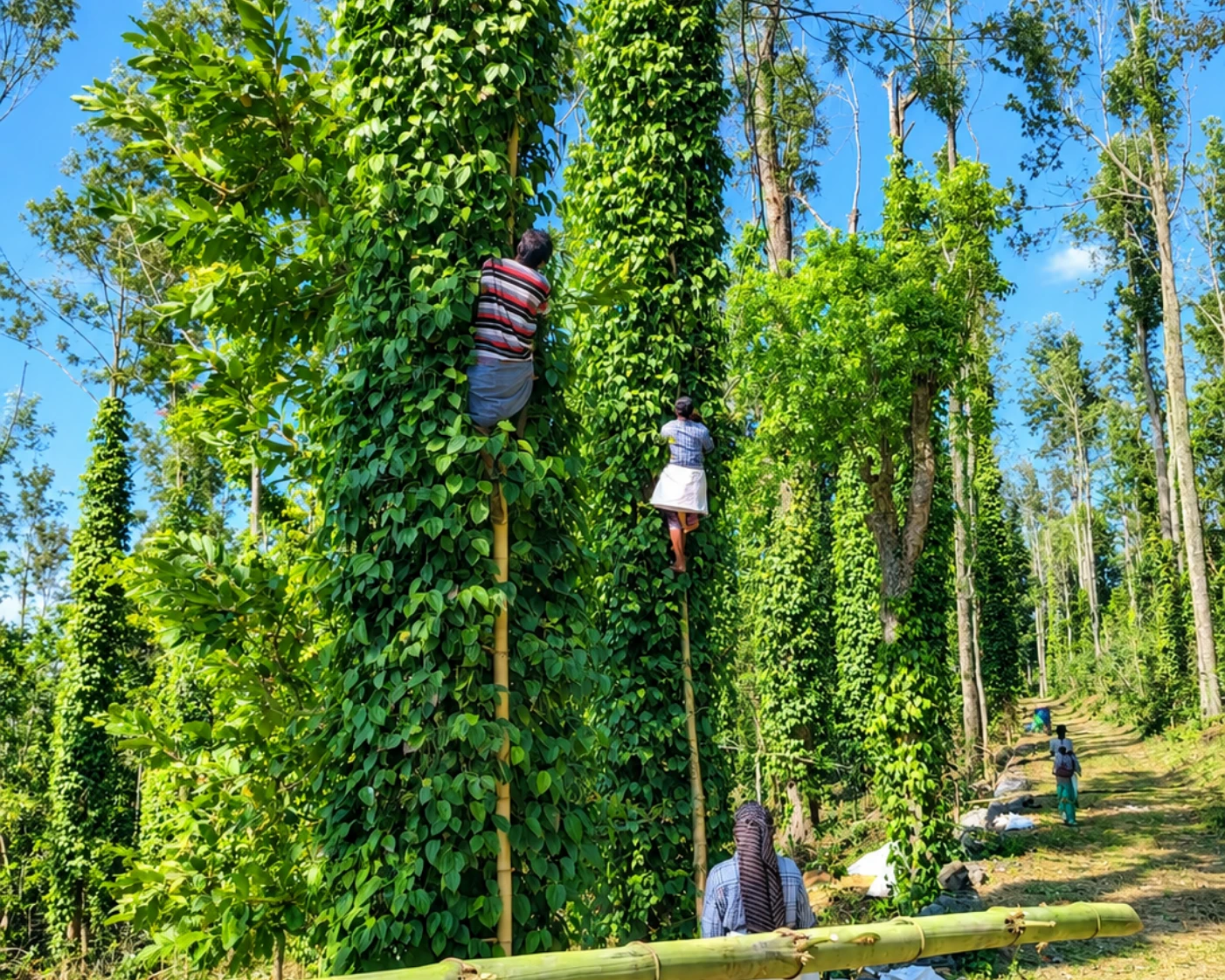
The vine keeper, thirty-five harvests. Every pepper vine on this estate was trained by him.
Biodiversity
The wildlife is not a bonus. It is the pest control.
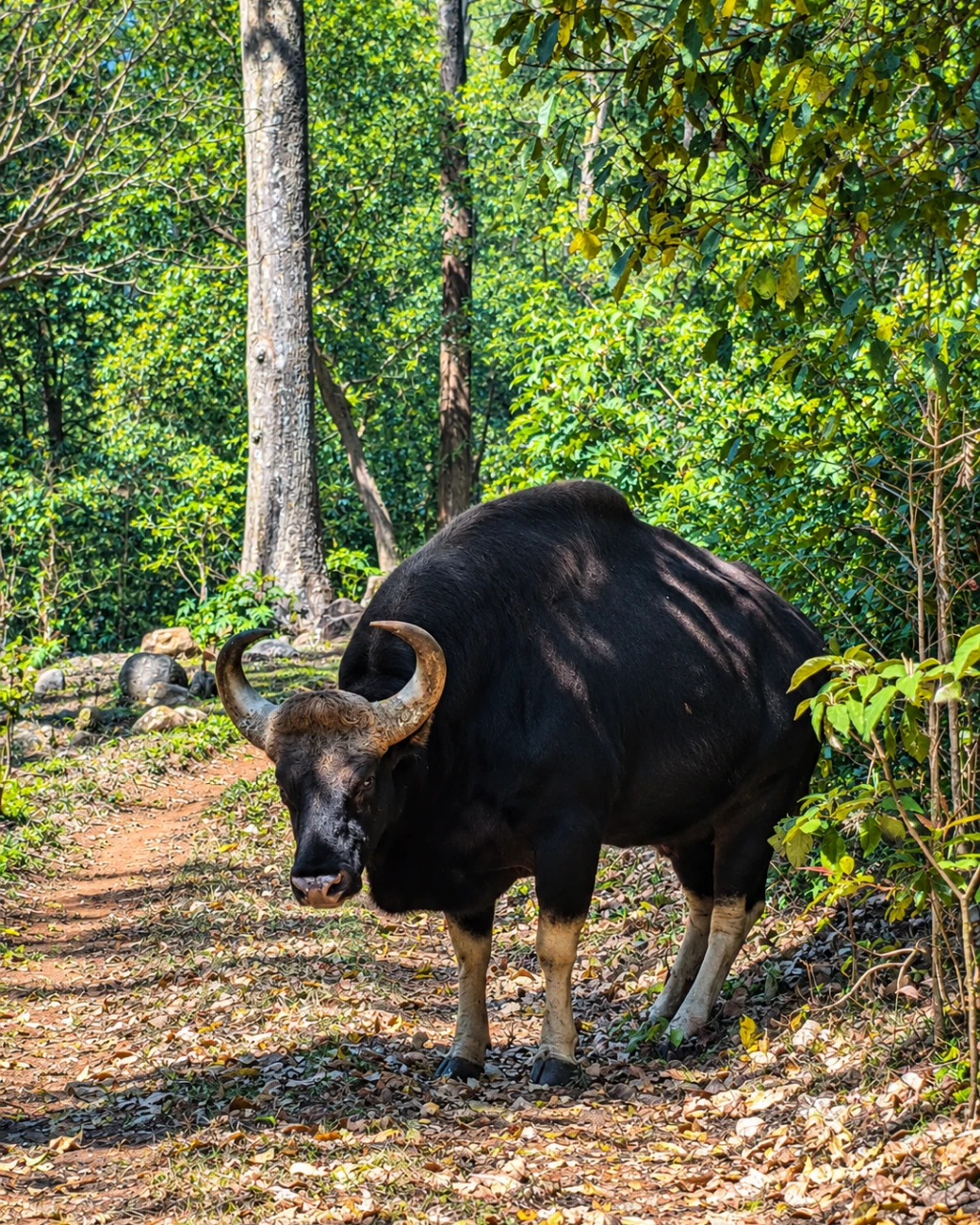
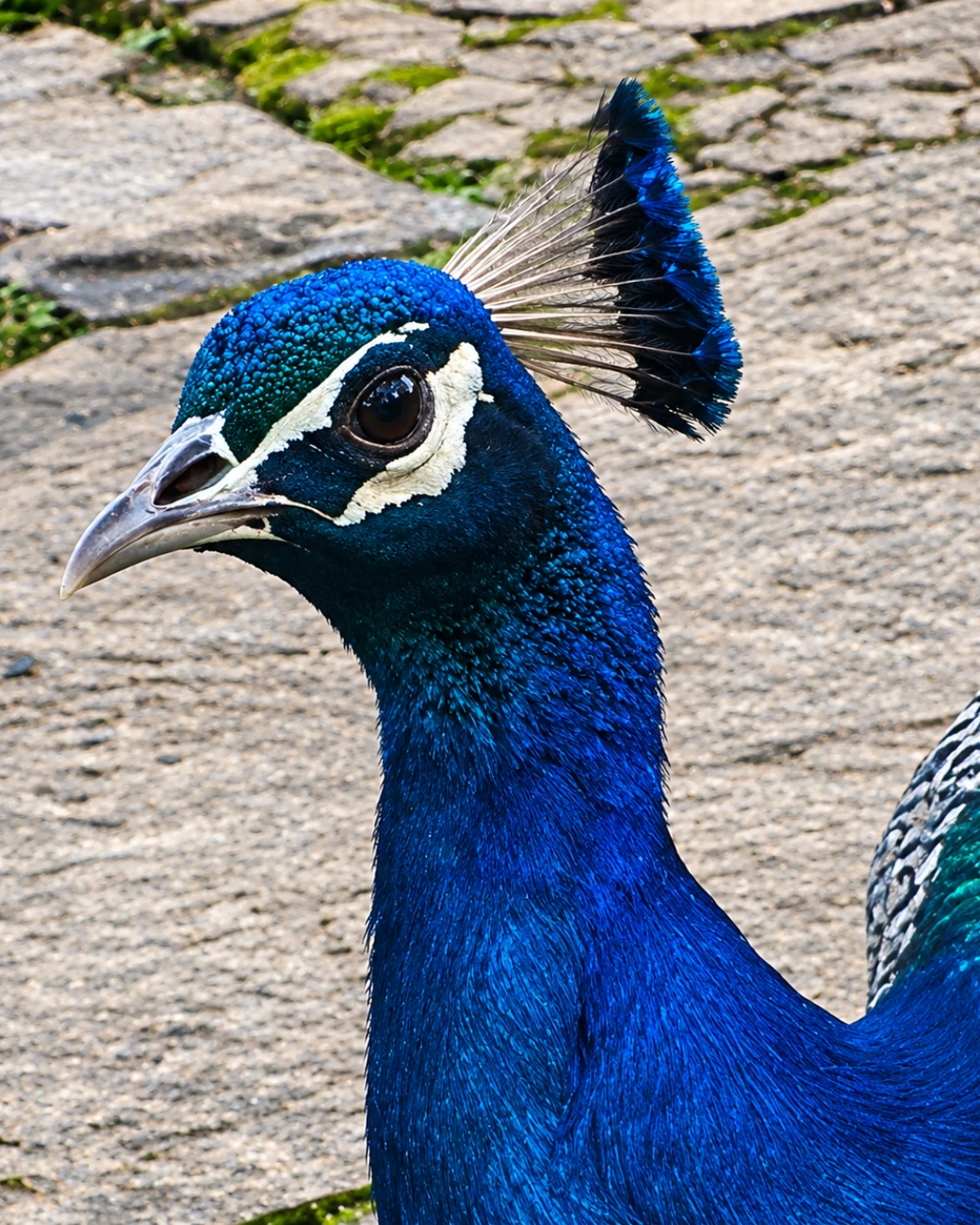
A canopy left standing keeps the structure of a forest — nesting height, cover, flowering trees through the year. What moves into that structure then works for us. Spray it away and the estate would be buying in every service these species currently provide free.
One day on the estate
On the ground
The ponds, the compost yard, and what walks through.
Three of the arguments on this page are easier to photograph than to explain. The water the estate banks, the waste it turns back into soil, and the animals that treat a shaded holding as continuous forest.
Sceptical questions